If you have ever walked through Seaside and thought, this place feels different, you are not imagining it. In a region known for beautiful beach communities, Seaside still stands out because its design was planned around daily life on foot, not just around getting to the beach by car. For modern homebuyers, that mix of walkability, architecture, and long-term lifestyle appeal still feels relevant today. Let’s take a closer look.
Seaside was designed with purpose
Seaside did not grow the way many beach communities did. Official town materials say it began on an 80-acre parcel and became the world’s first New Urbanist town, with more than 300 homes, shops, restaurants, and galleries.
That origin matters because the community was intentionally built around a compact, pedestrian-first plan. Seaside Institute materials describe the town as about a 10-minute walk from end to end and about a five-minute walk from the town center, which helps explain why it feels so connected and easy to navigate.
Walkability came first
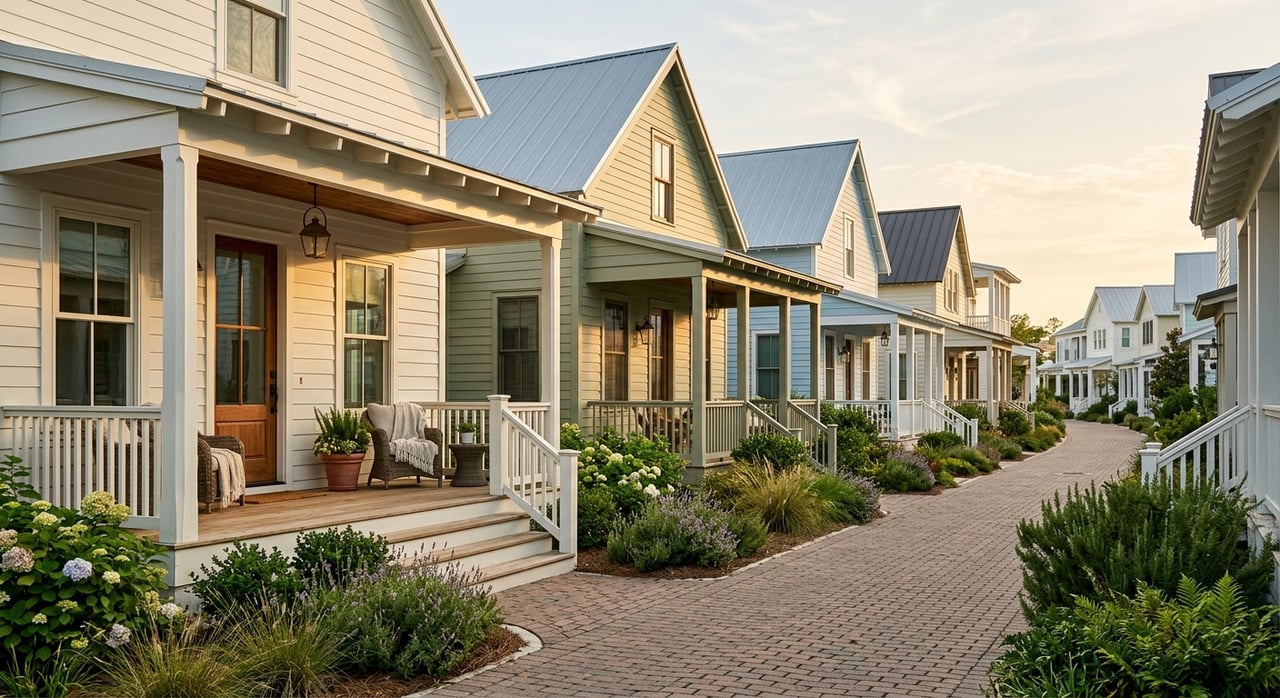
In Seaside, walkability was not added later as a selling point. It was part of the original plan. The streets were designed to encourage walking and biking rather than driving, with narrow brick-paved roads and white-sand footpaths connecting homes to the rest of town.
For you as a buyer, that can shape everyday life in a practical way. When homes, dining, shops, and beach access sit close together, getting around feels simpler and more relaxed.
The town center anchors everything
Seaside’s Town Center is the heart of the plan. Research from the Congress for the New Urbanism says the roads project outward from the Town Center, which includes restaurants, shops, a central green, an amphitheater, and beach access.
That layout gives Seaside a true town-center feel. Instead of separating homes from public life, the plan brings them together so retail, dining, gathering spaces, and residences all support one another.
Seaside’s design still feels current
A big reason Seaside continues to attract attention is that its design has aged well. Many of the features that made it unusual when it was built now line up with what today’s buyers say they want.
The larger South Walton area includes 16 beach neighborhoods, each with its own character. In that setting, Seaside stands apart not just for beach access, but for its strong physical identity and its shared public spaces.
Front porches and public spaces matter
Seaside’s design encourages interaction with the town, not just privacy behind the front door. The architectural code emphasizes small houses on small lots with front porches, while public life is supported through Central Square, Ruskin Place, and the beach pavilions.
That creates a sense of place many buyers still respond to. You are not just buying a home near the coast. You are buying into a layout where outdoor space, walking routes, and gathering areas are built into the experience.
The architecture is consistent, not repetitive
One of Seaside’s strengths is that it feels visually cohesive without feeling uniform. The Seaside Institute explains that owners build within a form-based code that may require features such as wood siding, a metal roof, or a front porch.
At the same time, building styles can vary from vernacular Southern to more modern interpretations. The result is a streetscape that feels curated and intentional, while still allowing for individual character.
The pavilions give Seaside a signature look
Seaside’s Gulf-front pavilions are one of its most recognizable design features. Town materials describe nine unique pavilions that serve as beach access points and sculptural landmarks.
For buyers who value architecture, details like this matter. They show that Seaside’s public spaces were designed with care, which adds to the town’s lasting identity and repeat appeal.
The layout supports coastal living
Seaside’s design is not only attractive. It also reflects practical thinking for a coastal setting. Research from the Congress for the New Urbanism notes that the plan preserved dunes, kept development back from the Gulf-front edge, and used native landscaping.
Homes also use features such as porches, overhangs, ventilation, and metal roofs that fit the coastal climate. That gives the design an environmental logic that still feels smart and usable, not just stylistic.
Compact planning changes how the town works
Because Seaside is compact, many daily activities can happen without getting in the car. That is one of the reasons the community still feels so functional.
A walkable layout can support both convenience and lifestyle. It can also shape how you use a second home or vacation property, especially if you want easy access to dining, shopping, and the beach in one connected setting.
Modern buyers still want what Seaside offers
Current buyer preferences help explain why Seaside continues to resonate. Research cited in the report shows that 79% of respondents rated walkability as very or somewhat important, and 78% said they would pay more for a walkable community.
That does not mean every buyer wants the same type of home. It does suggest that communities built around access, convenience, and shared amenities have lasting appeal, and Seaside is a strong local example of that concept.
Buyers often prioritize lifestyle and place
The same research found that neighborhood quality and proximity to friends and family ranked ahead of job location for many buyers. That shift helps explain why a place like Seaside remains attractive.
Its appeal goes beyond square footage. For many buyers, the draw is how the town feels to live in, visit, and return to over time.
Legacy appeal is part of the story
Official Seaside stories often highlight multigenerational use. The town describes families returning year after year, and some homes being passed down rather than sold.
That gives Seaside a different kind of value proposition. A home here can serve as a personal retreat, a gathering place, or a long-term family asset that holds memories as well as market value.
What homebuyers will typically find in Seaside
Seaside is not a one-note housing market. According to the official real estate page, buyers may see Town Center cottages, Gulf-front homes, interior cottages, carriage houses, and larger multi-bedroom investment properties.
That variety is important if you are comparing options. The inventory can support different goals, whether you want proximity to the center of town, views near the dunes, or a property with a more flexible use case.
Town Center and Gulf-front homes offer different experiences
Town Center cottages sit close to Central Square, dining, and the public beach pavilion. These properties may appeal to buyers who want to be near the center of activity.
Gulf-front homes offer a different setting, with boardwalk access, dune placement, and outdoor living designed around the views. Both property types fit the same broader design language, but the day-to-day experience can be very different.
Interiors can vary widely
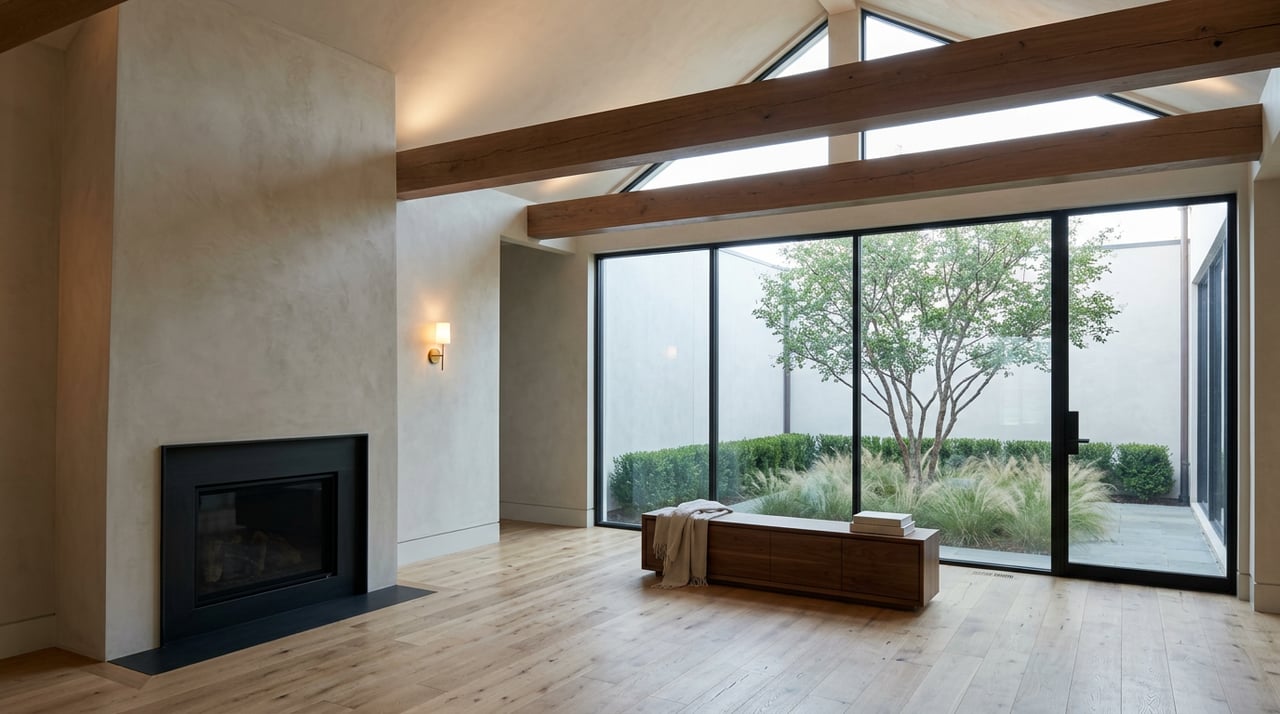
The official real estate page notes that interiors may range from lovingly original to fully renovated. That means two homes with similar exterior character can offer very different interior finishes and layouts.
For you as a buyer, this is where local guidance matters. Understanding whether a property offers preserved charm, updated function, or a blend of both can shape both value and fit.
Rental potential adds another layer
Seaside’s built-in rental infrastructure also adds to its appeal for some buyers. Official town information says Homeowner’s Collection is the community’s largest vacation-rental company, with more than 190 private homes in its portfolio and onsite service for Seaside properties.
The official real estate page also notes that some Town Center cottages can work as turnkey second homes or short-term rentals, and some Gulf-front homes have rental history. For buyers balancing personal use with income potential, that can be an important part of the decision.
Preservation and updates can coexist
Seaside also shows that established design and modern updates do not have to compete. Research in the report notes that some original cottages have been refreshed to appeal to today’s homeowners and guests.
That suggests room in the market for different buyer approaches. Some people are drawn to preservation-minded ownership, while others want updated interiors inside a highly recognizable architectural setting.
Why Seaside still stands out on 30A
Seaside remains compelling because its appeal comes from more than one feature. It combines walkability, a true town center, controlled but varied architecture, coastal design logic, and a housing mix that supports both lifestyle and flexibility.
For modern homebuyers, that combination is hard to ignore. If you are looking in Seaside or elsewhere along 30A, understanding how design shapes value can help you make a smarter and more confident decision.
If you want help comparing Seaside homes, evaluating second-home or vacation-rental opportunities, or narrowing down the right fit along 30A, Anthony Rose Homes can help you approach the process with clear guidance and a strong strategy.
FAQs
Why does Seaside, Florida feel different from other 30A communities?
- Seaside stands out because it was intentionally planned as a compact, walkable town with a central square, narrow streets, footpaths, and a strong public realm rather than a more conventional beach-resort layout.
What types of homes can you find in Seaside, Florida?
- Buyers may encounter Town Center cottages, Gulf-front homes, interior cottages, carriage houses, and larger multi-bedroom investment properties, all shaped by Seaside’s form-based design code.
Why do modern homebuyers still like walkable communities like Seaside?
- Research in the report shows many buyers value walkability, access to amenities, and neighborhood quality, which aligns closely with Seaside’s pedestrian-first layout and town-center design.
Does Seaside, Florida have short-term rental appeal?
- Yes, the research report notes that Seaside has established vacation-rental infrastructure, and some properties are positioned as second homes or short-term rentals with rental history.
Are all Seaside homes designed the same way?
- No, Seaside homes follow a shared architectural code for cohesion, but individual homes can vary in style, location, size, and interior level of renovation.