If you have been looking along 30A, you have probably noticed that Watersound does not feel like just one neighborhood. It is larger, more planned, and more layered than many buyers expect at first glance. If you want to understand how Watersound works, what daily life looks like, and which part may fit your goals, this guide will help you sort through it clearly. Let’s dive in.
What Watersound Really Is
Watersound is a branded coastal collection created by St. Joe, not a single subdivision. According to the company, it includes neighborhoods, town centers, hotels, and club assets spread across more than 100,000 acres in Bay and Walton counties.
For most 30A buyers, the key residential areas to understand are Watersound Beach, Watersound West Beach, Watersound Camp Creek, and Watersound Origins. Each one has a different setting, housing mix, and lifestyle rhythm, which is why buyers often need to look beyond the name and focus on the specific section.
Why Watersound Stands Out on 30A
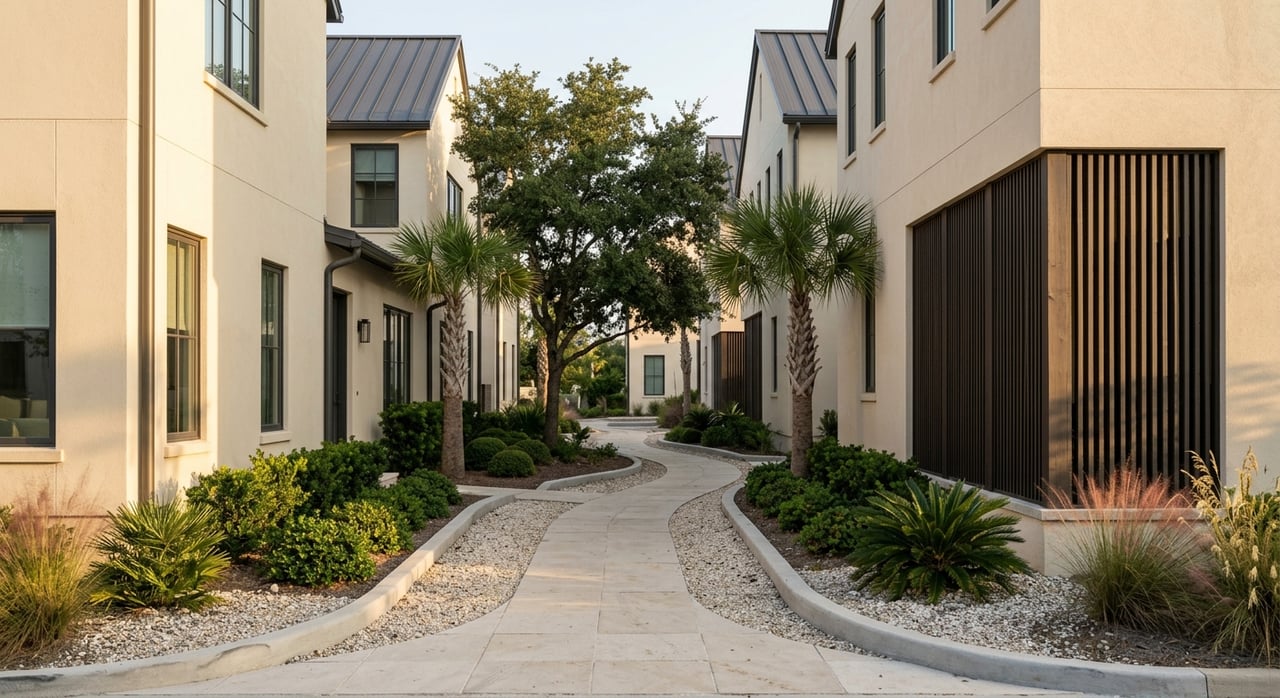
Watersound tends to attract buyers who want a more curated coastal experience. Instead of a loosely connected beach street pattern, you will find planned neighborhoods, trail connections, amenity systems, and a strong daily-life framework.
That structure matters if you value convenience, consistency, and long-term usability. It can also be especially appealing if you are comparing a primary home, second home, or lifestyle-focused investment along 30A.
Watersound Origins Overview
Watersound Origins is one of the most practical and flexible entry points into the broader Watersound lifestyle. It is a 1,400-acre community on Lake Powell with golf, fitness, sport courts, scenic trails, Lake Powell access, a Village Commons gathering space, and close access to Watersound Town Center.
The housing mix is broad compared with some other Watersound sections. Current examples include single-family homes, villas, townhome-style options, and apartments, with pricing examples ranging from the $500s to over $3 million.
Origins Daily Life
Origins is often the part of Watersound that feels most connected to everyday routines. You have trails, resident amenities, Lake Powell access, and nearby errands and dining tied to Town Center.
For many buyers, that creates a more liveable full-time rhythm. It can work well if you want coastal access without feeling like your neighborhood only functions as a beach retreat.
Origins Housing Options
Origins offers multiple product types, which gives buyers more ways to match maintenance level, budget, and lifestyle. Current materials highlight single-family homes by multiple builders, Watersound Origins Crossings with one-, two-, and three-bedroom apartment plans, and Villas on the Fairway with 3-bedroom, 2.5-bath layouts and golf-course views.
That variety can be useful if you are deciding between a primary residence, a lower-maintenance second home, or a property that balances lifestyle with investment considerations. It also gives buyers more flexibility than communities centered only on custom homesites.
Watersound Camp Creek Overview
Watersound Camp Creek is the newest residential neighborhood in the Watersound collection. Developer materials describe 263 homesites behind a secure entry, with lot sizes ranging from a quarter acre to nearly an acre.
It sits between 30A and US 98 next to Camp Creek Golf Club. The overall setup feels more private and more homesite-driven than other parts of Watersound.
What Makes Camp Creek Different
Camp Creek is focused on custom homesites rather than attached housing. That gives it a more estate-style feel, especially for buyers who want space, privacy, and a tucked-away setting.
It is also important to understand the membership structure here. Current FAQ materials state that Camp Creek lot ownership includes mandatory Watersound Club membership, and buyers should review access rights and fee details carefully before making a decision.
Camp Creek Buyer Considerations
If you are comparing Camp Creek with other 30A options, this is where details matter. Club access, fee structure, and rental restrictions can directly shape how you use the property and how it fits your long-term plans.
This is one of those communities where a careful review of the rules is just as important as the home search itself. That is especially true if you are balancing personal use, future resale, or vacation-home goals.
Watersound Beach Overview
Watersound Beach is the core beachside enclave many buyers picture first when they hear the name Watersound. Official materials describe winding wooden boardwalks, bridges, and trails connecting homes, cottages, and condominiums to a largely untouched stretch of white-sand beach.
This section leans into a classic coastal setting with a more established beach identity. For buyers who want direct connection to the Gulf experience, Watersound Beach is often the benchmark within the broader collection.
Beach Club Lifestyle
A major part of the appeal is the Watersound Beach Club. Club materials describe more than one mile of private Gulf frontage, two 7,000-square-foot pools, a 25,000-square-foot deck, boardwalk beach access, beach setups, dining, and club programming.
That said, buyers should not assume every Watersound property automatically includes every amenity. Current materials are clear that club access can vary by community and membership type, so confirming those details early is essential.
Watersound West Beach Overview
Watersound West Beach is a smaller beach-side neighborhood located between the Gulf and Deer Lake State Park. Developer materials describe homes positioned above the land contours to capture Gulf breezes, with architecture influenced by classic maritime design, natural wood shingles, and deep porches.
This area tends to offer a quieter setting than some better-known beach communities nearby. Older official filings also describe private beach access through Deer Lake State Park, along with a community pool and clubhouse.
Trails, Parks, and Everyday Movement
One of Watersound’s strongest differentiators is its trail network. Official materials say there are more than 70 miles of trails and parks, with multi-use paths connecting neighborhoods, restaurants, town centers, and the beach.
That trail system can shape daily life in a real way. Instead of driving for every errand or outing, many residents can move through the area by walking or biking, which adds to the community’s planned, connected feel.
Nearby Outdoor Assets
The trail story extends beyond the neighborhoods themselves. Nearby Conservation Park adds 2,900 acres and 24 miles of trails, and Longleaf Art Park at Watersound Origins is planned to open in 2026 with public access, boardwalks, and an outdoor arts setting.
For buyers who care about movement, scenery, and open space, these features add another layer to the Watersound lifestyle. They help explain why the area appeals to more than just beach-focused buyers.
Watersound Town Center's Role
Watersound Town Center is a major practical anchor, especially for the Origins side of the community. It sits along US 98 at the entrance to Watersound Origins in Inlet Beach and is planned for about 300,000 square feet of retail and restaurant space plus 120,000 square feet of office and professional services.
Current tenant examples include Publix and Starbucks, along with a mix of retail, restaurant, office, and event space. For buyers comparing planned communities, Town Center helps Watersound feel more like a self-contained district and less like a stand-alone beach neighborhood.
Club Access Is Not One-Size-Fits-All
This is one of the biggest points of confusion for buyers. Watersound is strongly tied to club amenities, but ownership does not automatically mean full access across the board.
Current materials state that membership types have different access rights and fee structures. The club platform includes assets such as Watersound Beach Club, Camp Creek Inn and Golf Course, Shark’s Tooth Golf Course and Clubhouse, WaterColor Inn amenities, The Third golf course, and The Sporting Preserve, but access depends on the property and membership level.
Who Watersound Fits Best
Watersound often fits buyers who want planned coastal living with strong infrastructure. Based on the housing mix and amenity setup, it can be a strong match for golfers, trail users, second-home buyers, relocators, and primary residents who value order, walkability, and resort-style amenities.
It may also appeal to buyers who want a low-density feel instead of dense condo towers. In several sections, the community design leans toward coastal architecture, open space, and a more intentionally managed environment.
Key Questions to Ask Before You Buy
Before you move forward in Watersound, it helps to narrow your search around a few practical questions:
- Which section fits your goals best: Beach, West Beach, Origins, or Camp Creek?
- Do you want a custom homesite, single-family home, villa, condo-style option, or townhome-style property?
- What club access comes with the specific property you are considering?
- Are there mandatory membership obligations or fees?
- Do the community’s rental rules align with how you plan to use the home?
- Does your day-to-day preference lean more toward beach access, golf, trails, or nearby retail convenience?
These questions can save you time and help you focus on the part of Watersound that actually matches your lifestyle and financial goals.
Final Thoughts on Watersound
Watersound offers a very specific version of 30A living. It is planned, amenity-rich, and more varied than it first appears, which is why two homes with a Watersound address can deliver very different ownership experiences.
If you are considering a move, second home, or coastal investment in this area, the best approach is to evaluate each section on its own terms. When you understand the neighborhood type, housing mix, club structure, and daily-life setup, you can make a far more confident decision.
If you want help comparing Watersound neighborhoods, reviewing property options, or thinking through the financial side of a 30A purchase, connect with Anthony Rose Homes for clear, local guidance.
FAQs
What is the difference between Watersound Beach and Watersound Origins?
- Watersound Beach is the core beachside enclave with boardwalks, beach access, and a stronger Gulf-focused setting, while Watersound Origins is a 1,400-acre community on Lake Powell with golf, trails, resident amenities, and close access to Watersound Town Center.
Does every Watersound property include Watersound Club access?
- No. Current materials state that ownership does not automatically grant club access, and access varies by community, membership type, and fee structure.
What types of homes are available in Watersound Origins?
- Current materials describe a mix of single-family homes, villas, townhome-style options, and apartments, including Watersound Origins Crossings and Villas on the Fairway.
What should buyers know about Watersound Camp Creek membership?
- Current developer materials say Camp Creek lot ownership includes mandatory Watersound Club membership, and buyers should review the access rights and fees carefully.
Is Watersound Town Center part of daily life in Watersound?
- Yes, especially for buyers in and around Watersound Origins, since Town Center includes planned retail, restaurants, office space, and services along US 98 at the community entrance.
Are trails a major feature in Watersound?
- Yes. Official materials say Watersound includes more than 70 miles of trails and parks, with multi-use paths connecting neighborhoods, town centers, restaurants, and the beach.